




My Dog Thinks His Name Is Treat! Here Are the Top 5 Mistakes Most People Make With Dog Training Treats.
|
|
Time to read 7 min
|
|
Time to read 7 min
When a client invites me into their home to help solve their dog’s naughty behavior or to prevent problems from starting in the first place, I always ask that they meet me at the door with treats. As a young, green trainer, I learned quickly that not everyone would automatically have treats at the ready. For positive reinforcement training, treats play an important part in teaching new behaviors and reinforcing them. So, I stopped assuming and started communicating what we would need to make the most of our training time together. During our in-home lesson, I observe how my client uses the treats. Most dog moms and dads make one or more of these top 5 treat training mistakes within the first 10 minutes!
When I saw Wrigley, the black Labrador Retriever, my heart sank. He was clearly overweight and struggled to get up from his cozy dog bed to greet me. Obesity in dogs, like humans, can lead to serious health problems, cause joint pain, and limit mobility. Sometimes, as dogs age, they continue to receive the same amount of food and treats but don't need as much due to lower energy needs. Or dogs in a multi-pet household can sneak food from other dogs' bowls, eating more than they should when left unsupervised.
In Wrigley's case, he was carrying around extra pounds because his owners allowed free feeding– leaving out a full food bowl 24/7 - and gave him treats constantly just for being a “good boy.”I explained that they were missing an important training opportunity. If they presented the food bowl to Wrigley twice a day, they could serve a healthier portion. Plus, he would make the connection that the humans brought him good things and were worth paying attention to. Better yet, they could cue him to sit and stay, then place the food bowl on the ground, reinforcing impulse control and good manners.
Giving him treats all the time meant Wrigley was getting paid for sloppy work or none at all! For example, after a dog learns to come when called, you can dole out fewer treats to distinguish between an excellent recall and a lazy recall. An immediate, fast come will get a treat every time. But if the dog took their time, stopped to sniff, and slowly walked to you, he did not earn a treat. A little praise is fine to acknowledge their good choice of eventually coming when called. Dog training treats are reserved for the best efforts.
I often see the other extreme with large dogs known for loyalty and guarding their people and property, like Dobermans, German Shepherds, Malinois, Pit Bulls, and Rottweilers. Some owners (usually the dog dads) think treats will coddle their tough dog. In some cases, the dog is a true working breed and prefers toys or a job over treats (though there could be another reason – see #2 below). Regardless, I like to have as many training rewards as possible at my disposal to allow for training flexibility. For example, to teach stay, it's easier to pop multiple treats in my dog's mouth for sitting still like a statue. On a walk, I might surprise my dog with a tug toy for extra effort, but multiple treats at my side are my preferred way to teach loose-leash walking.
Luna, the German Shepherd, was not consistently coming when called from the backyard or the dog park. Her behavior was getting worse because, by the time she finally came to her owner, he was understandably frustrated. His stiff body language and annoyed tone of voice were not inviting to Luna. They were involved in a vicious cycle.
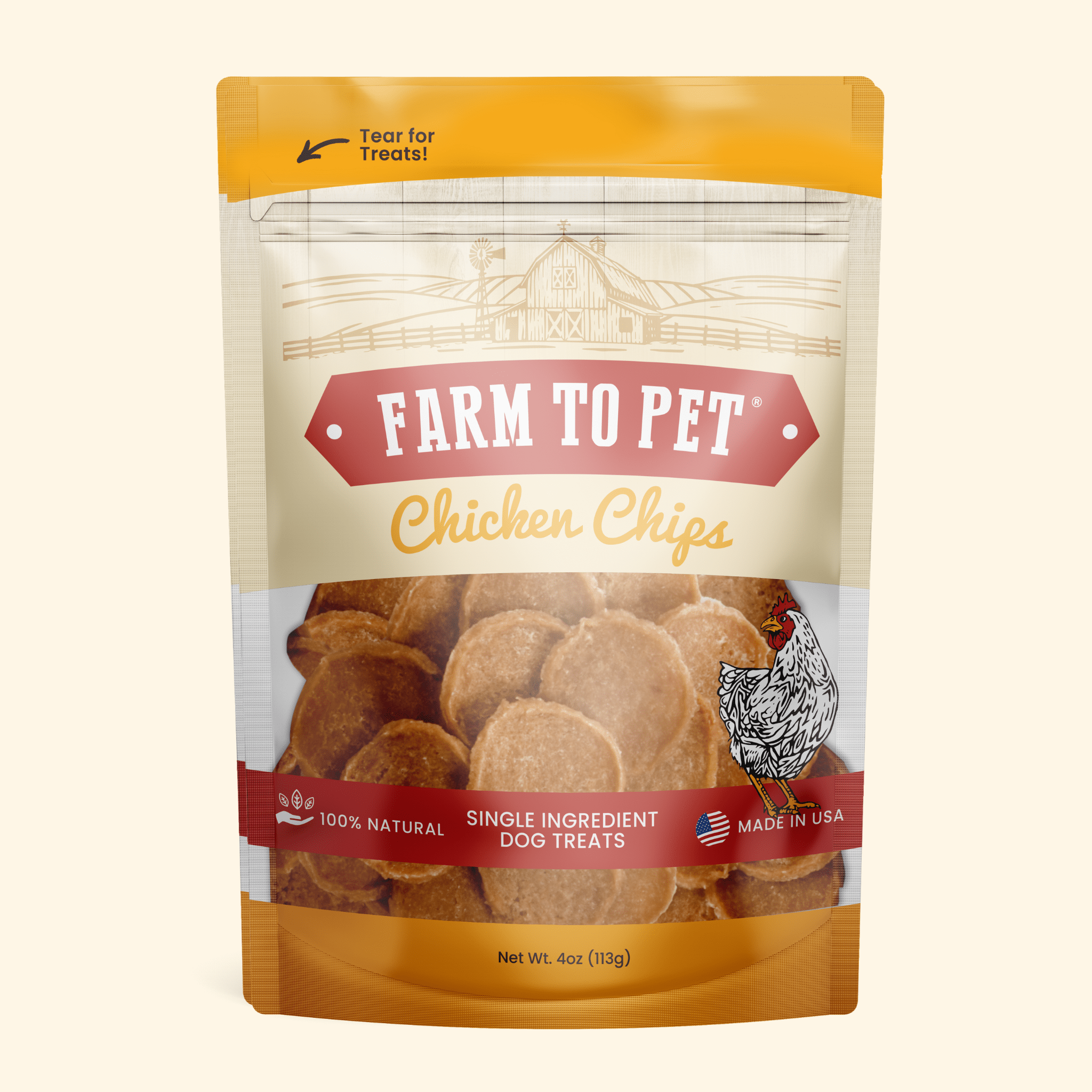
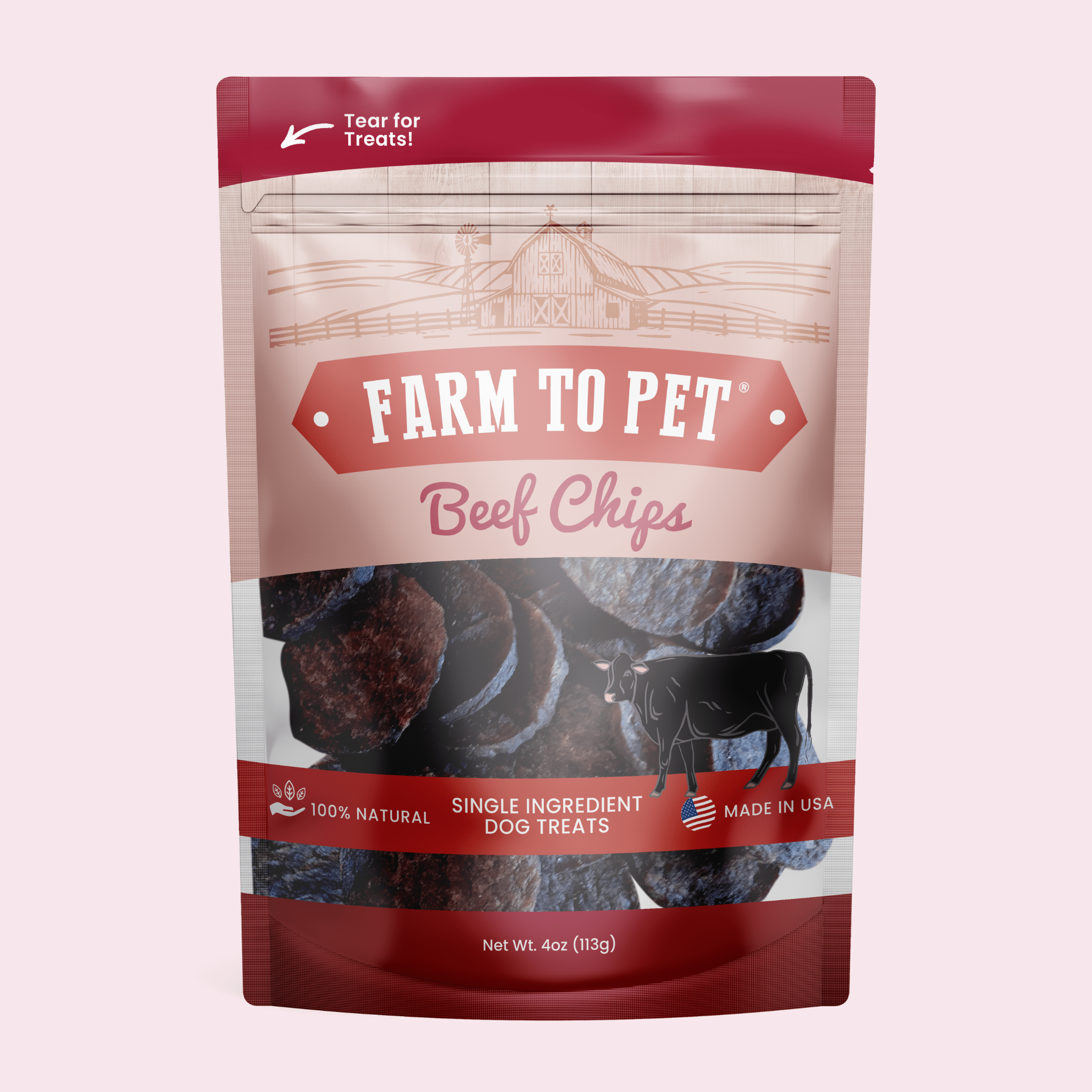
I suggested he use treats, which he quickly dismissed as an option. “She should come because I told her to,” he said, shaking his head. Over the course of our lesson, I demonstrated how Luna was likely to respond with enthusiasm if something positive followed. Every time she chose to come by me, I said “yes” and tossed a tasty Farm To Pet Beef Chip. At our next lesson, Luna was in the backyard. When she saw me at the back door, she quickly ran to me, without any prompting. I gave her a couple of chips and then released her back into the yard. She didn’t want to leave my side! If you only call your dog from the yard or dog park when the fun is over, no wonder they don’t want to come. If you reward them - and sometimes release them back to what they were doing - they want to pay attention to you and all the good things you have to offer.
Sunny the Goldendoodle's mom was listening carefully to my training instructions when she realized she didn't have treats at the ready. “Hang on!” she said. As she walked to the kitchen, Sunny followed close behind. After searching a few cabinets and the pantry, Sunny’s mom finally found the treats she wanted. In the meantime, Sunny had wandered off. We had missed an opportunity to reward Sunny for paying attention and learning something new. Her mom crinkled the treat bag, and Sunny came running. She had been classically conditioned that the sound meant something good would follow – dog treats! Unfortunately, now she was learning to be bribed, which might work for the short term but doesn’t last. Dogs become suspicious of bribes (see #1 below).
You’ll treat your dog more often for good behaviors if the treats are easy to find to reinforce those good behaviors. Inside the house, I recommend my clients put healthy dog treats in small containers in different rooms. If they catch their dog being good, they can reach for the container and reward right away instead of walking away to search in the kitchen cabinets. Farm To Pet treat chips – which come in beef, chicken, fish, and turkey - are convenient to carry in your pocket, too. They don’t crumble and make a mess, even if you break the chip into smaller pieces. On walks, you can put treats in your pocket or use a treat training pouch that clips onto a pocket or is belted around your waist.
Even though they belong to two different families, Bix, the rescue terrier mix, and Maizey, the Havanese, have a lot in common. They’re both extremely smart, super adorable, and love to learn. They're also reactive, which means very sensitive to changes in their environment and bark at any little sound or when they see a person, or another dog, or squirrel, or … you get the idea. Their respective families thought using their dogs’ regular meal was enough of a treat. I agreed that in the house, with few distractions, kibble was fine, especially if the dog needed to lose weight or had a sensitive tummy.
But outside was a different story. Both Bix and Maizey had to work harder to focus on their people with all the sensory overload. It made sense to pay them a high-value treat for more effort. When Bix didn’t bark at kids whizzing past on e-bikes, you better believe she earned a special treat! Plus, lots of genuine praise. At our third lesson, Maizey impressed me by choosing to look at her dog mom instead of barking at an excitable puppy straining at his leash. Her mom praised her with enthusiasm and gave her delicious treats.
Blue the handsome Pit Bull is friendly, but when people and dogs passed by his yard on a public walking path, he would get excited and run the fence, barking. Due to his breed, his owner was understandably concerned. He didn’t want anyone to be frightened of Blue. “But when I offer treats, he’s too busy barking and chasing,” said his dog dad. “He doesn’t want them.”
I observed a similar problem with Bertie the Airedale puppy. To teach her to go to the crate, Bertie’s parents placed treats inside it and said, “Go to the crate.” This worked a few times until Bertie realized that the crate door would close and she would be alone for a couple hours. Bertie would look at the treats, lick her lips, take a step forward, then back away. Her concern about the crate was stronger than her desire for treats.
For both Blue and Bertie, their owners had the right idea, but they had the wrong order. If you present a treat to a dog before you see the behavior you want, it’s a bribe. The key to learning is that you see the behavior first, then present the treat. That’s a reward.
In Blue’s case, he was too hyped up by the action outside his yard to notice his dog dad with treats. If he did happen to eat one, he went right back to running the fence and running his mouth! After a few lessons with Blue on leash, at more of a distance from the walking path, he was able to offer eye contact, show off obedience skills, and play pattern games in exchange for a high-value treat. Soon, he could be off leash in the backyard and choose his dad instead of harassing passersby.
To teach a dog to go into the crate willingly, I encourage my clients to play crate games using shaping. That way, Bertie thought going into the crate was her own idea. Something all independent terriers love! A dog training treat appeared after she moved toward the crate. With each step forward, Bertie was learning that she had a choice. The moment all four paws were in the crate, the healthy dog treats would rain down for a jackpot.
Have you made any of these treat training mistakes with your dog? If the answer is yes, it’s ok – you’re in good company! Now that you know how to use dog treats correctly in training, be sure to read my article about how to choose the best treats for your dog. Happy training!
Julia Lane, CPDT-KA, is a certified, professional dog trainer who has taught hundreds of dogs and their people for 20 years. She has competed in agility, disc dog, nose work, and rally obedience with her variety pack. She has trained many Therapy Dogs, who bring joy and smiles to seniors and children. She lives in a 1940s farmhouse, the Country K9 Cottage, in the Chicago suburbs with her husband, son, two Border Collies, one rescue Pit Bull, and a sassy cat. She can be reached at www.SpotOnK9Sports.com.


Spooky packaging, limited-time treats & fun accessories for pups who love a little howl-o-ween. Click below to explore the full collection.
Shop Halloween


