





Starting Farm to Pet from Scratch: An Interview with Founder & CEO Jackson Jones on “The Woof”
|
|
Time to read 4 min
|
|
Time to read 4 min
Recently, Farm to Pet founder Jackson Jones was interviewed by The Woof, the fastest-growing media company in the pet space. In this insightful interview, Jackson shared how he created a single-ingredient dog treat company from the ground up, offering valuable lessons for any entrepreneur, especially within the pet industry. Since its first sale from Jackson’s basement in 2021 to a 24,000 square foot facility in Chicago, Farm to Pet has always been driven by a simple yet powerful idea: premium quality and sourcing transparency in pet treats.
We hope you’ll take the time to watch Jackson’s interview, which is also summarized below if you prefer a readable recap. Either way, you’re sure to see why everyone at Farm to Pet finds Jackson so inspirational and is proud to call him our “top dog!”
Like many pet parents, Jackson found himself scrutinizing ingredient labels while searching for suitable treats for his rescue dog (0:56). What he discovered was a significant void in the market. "There's really not a lot out there that's...limited ingredient, single ingredient…that you can actually read the label and say, 'Hey, I know what that is,'" he noted (2:04).
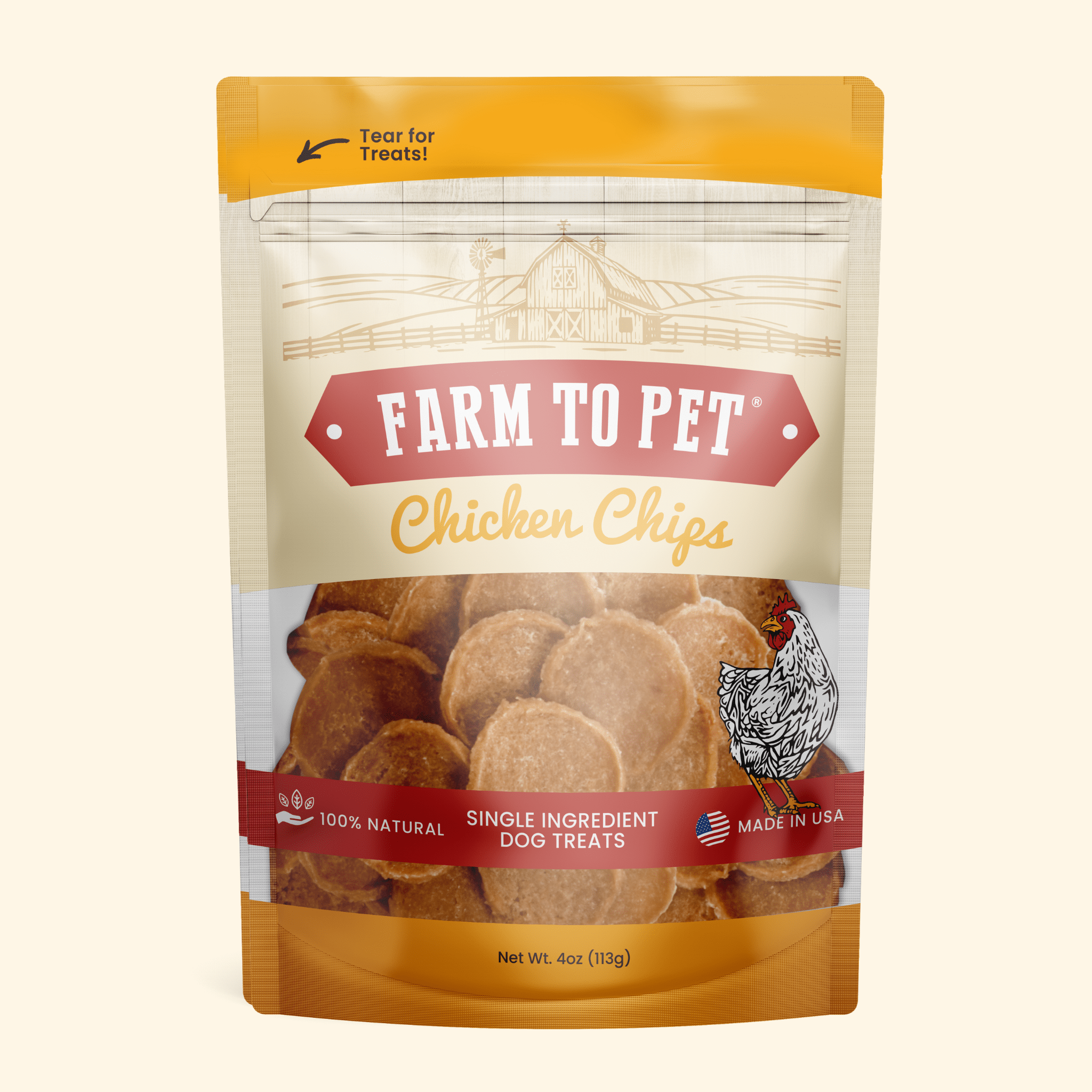
The "aha!" moment came when a friend introduced him to simple chicken treats. Inspired, Jackson started experimenting in his own basement with a small dehydrator and chicken breast (2:20). The immediate success with his own dog and the positive feedback from friends on his version of dehydrated chicken chips confirmed his "proof of concept" (3:09).
With a background in large-scale manufacturing and distribution, Jackson bypassed the typical "mom and pop" approach (4:35). He quickly realized that, in order to scale, he needed commercial equipment. "I didn't really know anything better other than to look for some commercial equipment," he explained (5:03). He acquired used machinery and secured a facility in Chicago, conveniently located near his chicken supplier (5:36), and kept his eye and the reins on the supply chain.
Farm to Pet prides itself on its hands-on approach, controlling every step of the process. "We were actually taking chickens direct...and just using the breast processing and processing it grinding doing all that ourselves right from the beginning," Jackson emphasized (7:11). This full vertical integration, from raw protein selection to marketing and distribution, ensures product integrity and customer experience (7:29).
Sourcing is a critical aspect, especially for a single-ingredient brand. While an initial local farmer contact quickly proved insufficient (8:38), Chicago's robust food industry allowed Farm to Pet to find reliable distributors and sources (8:50).
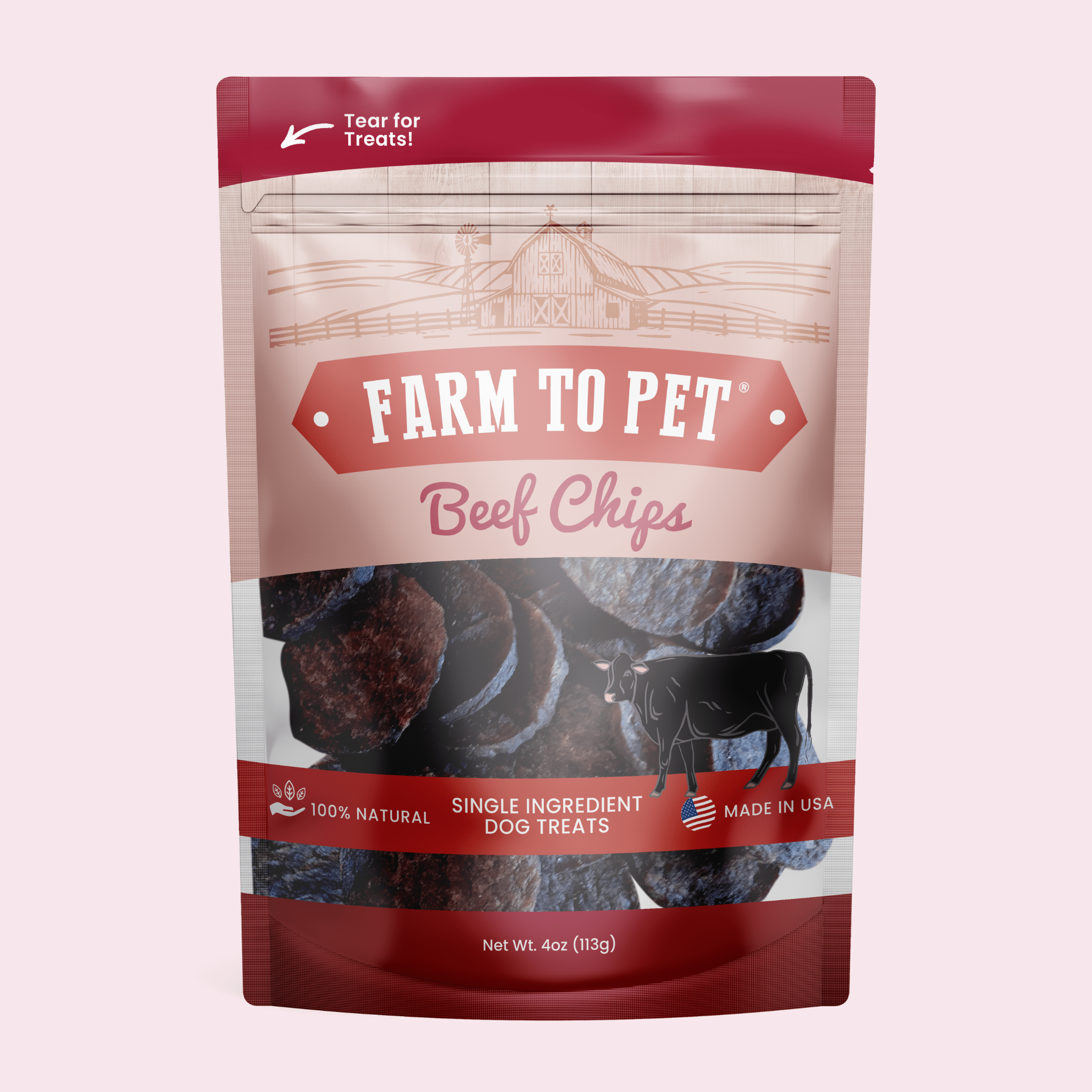
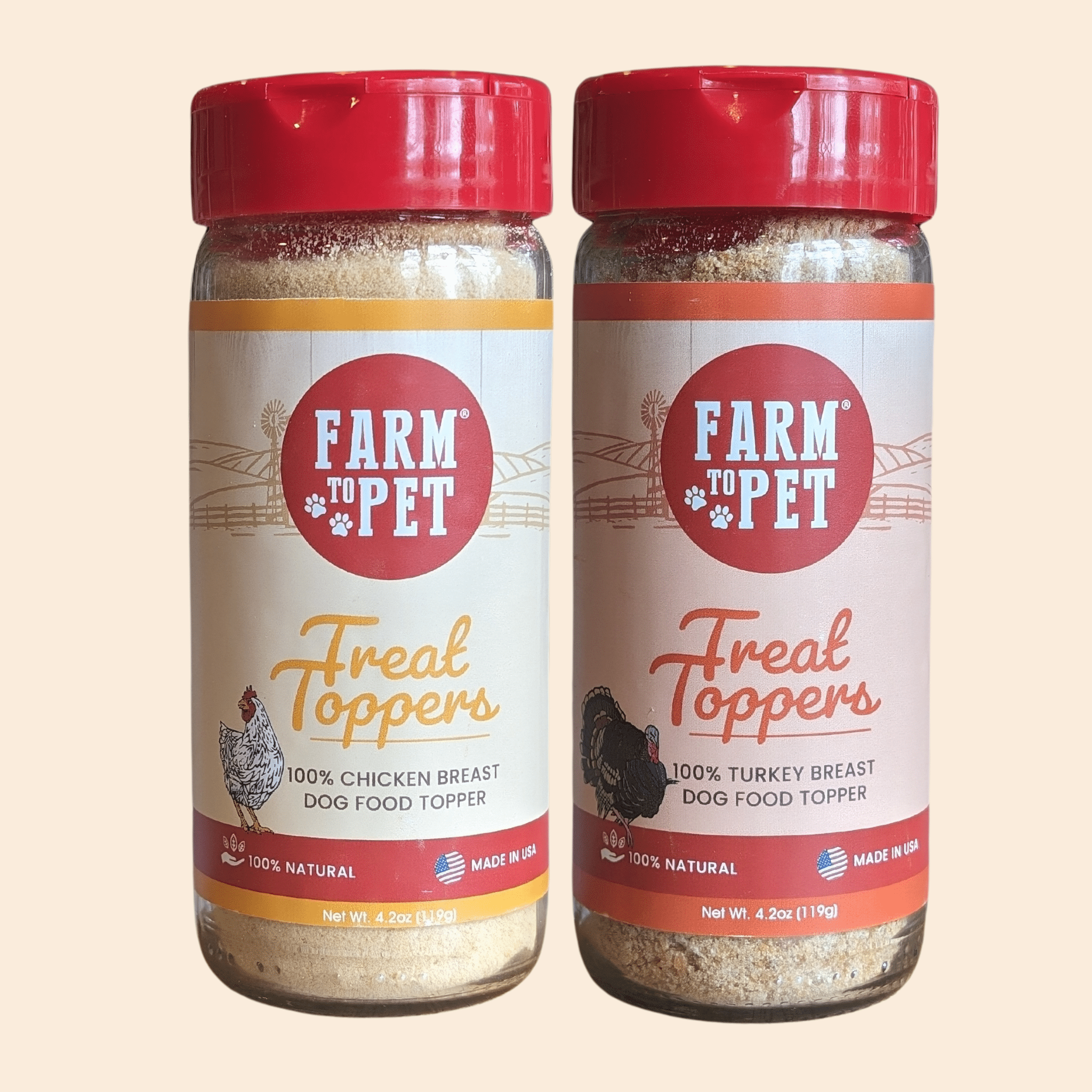
The simplicity of sourcing a single ingredient, as opposed to many, has also made their expansion into turkey, beef, and walleye fish products more manageable (10:08, 10:24).
Jackson's strategy from the outset was to be as direct to the consumer as possible, primarily through their own website and independent retailers (11:40). Not surprisingly, the Farm to Pet Amazon store quickly became a "primary channel" due to its massive marketplace and instant visibility (12:19).
However, Amazon comes with its own set of rules and costs. "It's a pay-to-play," Jackson stated, detailing the need for ad money to gain visibility (15:03) and the increasing costs of FBA (Fulfilled by Amazon) services and "cost per clicks" (15:30). Amazon takes a 15% cut of sales, plus an additional $4.50 to $7 for shipping and distribution (16:25). Despite these challenges, Amazon accounts for nearly 50% of Farm to Pet's direct-to-consumer business (18:31, 18:39) and has been a boon to the brand’s reach, recognition and credibility metrics.
A core tenet of Farm to Pet is an unwavering commitment to quality. Jackson shared that many told him people wouldn't pay "$30 for a bag of treats" (26:46), especially online (26:53). However, by keeping ingredients premium, offering excellent service, and standing behind their product with satisfaction "guarantee(d)" (27:04), they've found their niche.
According to Jones, the premium cost is justified by the product's density and nutritional value. "When we start with one pound... and we put it into the dehydrator, you're coming out with a third of a pound," Jackson explained (36:31). This process creates a flavorful, "much more protein dense" and "very nutritious" product (37:02).
Beyond being a simple treat, Farm to Pet products serve multiple functional purposes (31:17):
Jackson is steadfast in his philosophy: "If we have a product…everything from the name all the way to…what ingredients we have and the feedback from the dogs, it makes it much easier to market and sell" (13:03). He believes in selling "transparency, the premium ingredients and that experience you have with the dogs versus, hey, let's just get into every store. Let's just cut our cost" (28:54).
This dedication to integrity means choosing long-term fruitfulness over quick volume, attracting "quality consumers" who appreciate their values and become loyal customers (29:30). Farm to Pet stands as a testament to the idea that in a market often driven by fillers and cost-cutting, genuine quality and transparency can build a thriving business and a brand to be proud of.


Spooky packaging, limited-time treats & fun accessories for pups who love a little howl-o-ween. Click below to explore the full collection.
Shop Halloween


