





Hypoallergenic Dog Treats: The Power of Single-Ingredient Treats for Sensitive Dogs
|
|
Time to read 5 min
|
|
Time to read 5 min
You might have heard the term hypoallergenic applied to everything from skincare to cosmetics to food to pets – so why not hypoallergenic food for dogs? If your pup deals with itchy skin, sensitive digestion, or recurring ear infections, you might have already learned that allergies and diet might be the culprits. So what does hypoallergenic really mean when it comes to dog food and dog treats? And for fun and edification, what exactly is a hypoallergenic dog?
In this article, we’ll break down what people mean when they talk about hypoallergenic dogs, what qualifies as a hypoallergenic dog treat, and the important difference between food allergies and food sensitivities in pets. We’ll also clear up some common misconceptions about allergies in dogs and explain why simple, single-ingredient treats like ours at Farm to Pet can be a great option for dogs with sensitive systems.
The phrase hypoallergenic dog usually refers to dog breeds that are less likely to trigger allergies in humans. These breeds tend to shed less (bonus!), as well as produce lower levels of the proteins found in pet dander, saliva, and skin that can cause allergic reactions in people.
It’s important to note that no dog is completely allergen-free. However, certain breeds are commonly described as hypoallergenic because their coats shed minimally or trap dander more effectively. Some popular examples include:
Many of these breeds have curly or continuously growing hair-like coats that hold onto loose strands and dander instead of releasing it into the environment, as opposed to fur-covered breeds that shed sometimes multiple layers of coat and all the allergens with it.
Of course, you might know all this and have a hypoallergenic dog yourself. But, somewhat ironically, having a hypoallergenic dog doesn’t mean that the dog doesn’t have canine allergies himself! That’s where diet - including dog treats - can play an even more important role in pet health and happiness.
When pet parents talk about hypoallergenic dog treats, they’re usually referring to treats designed to reduce the likelihood of triggering a food reaction in dogs.
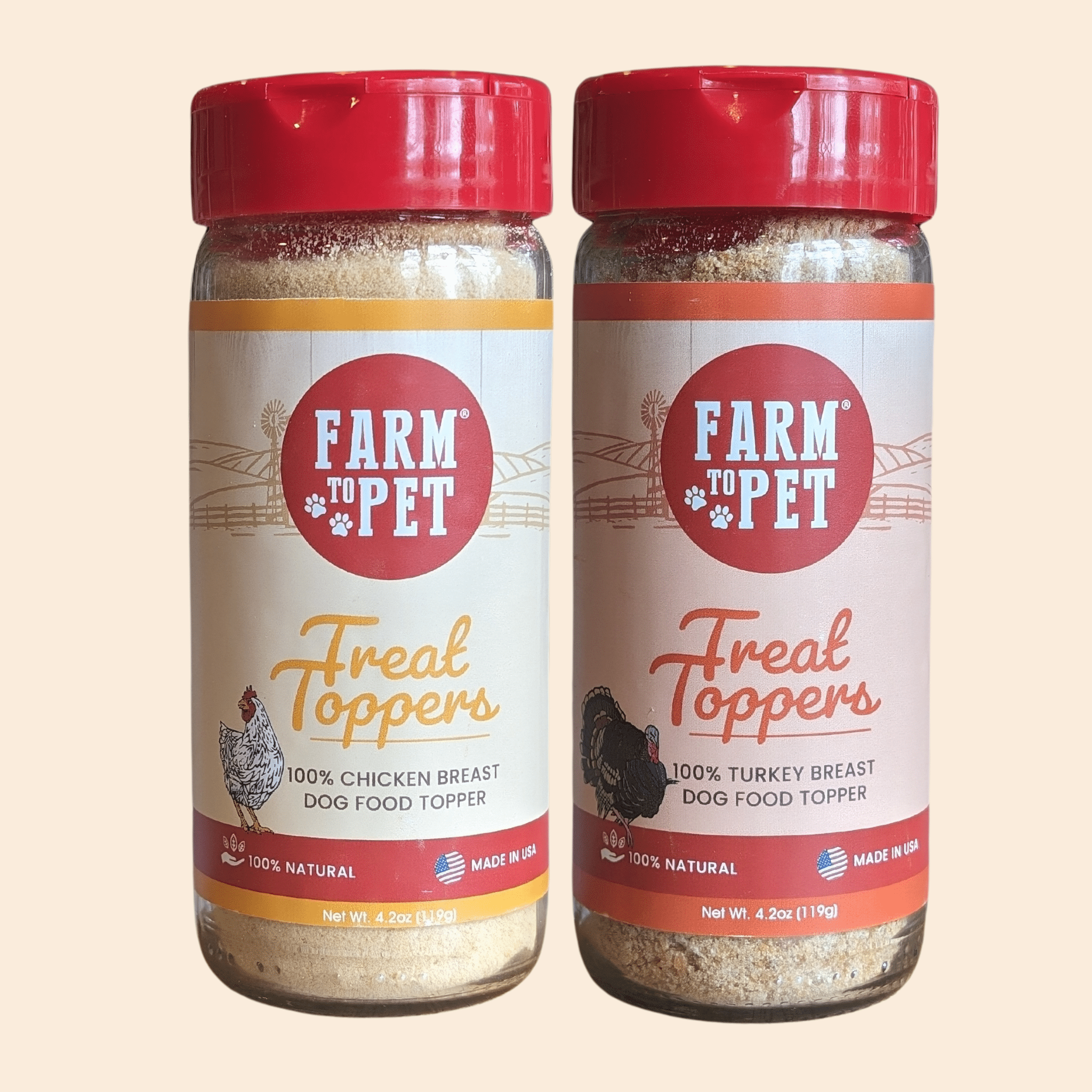
These dog treats typically have simple ingredient lists and avoid many of the fillers, additives, and common allergens found in heavily processed snacks. Some also contain novel proteins less commonly found in dog foods, such as turkey or fish. The goal is to keep things as straightforward as possible so your dog’s body has fewer ingredients to react to.
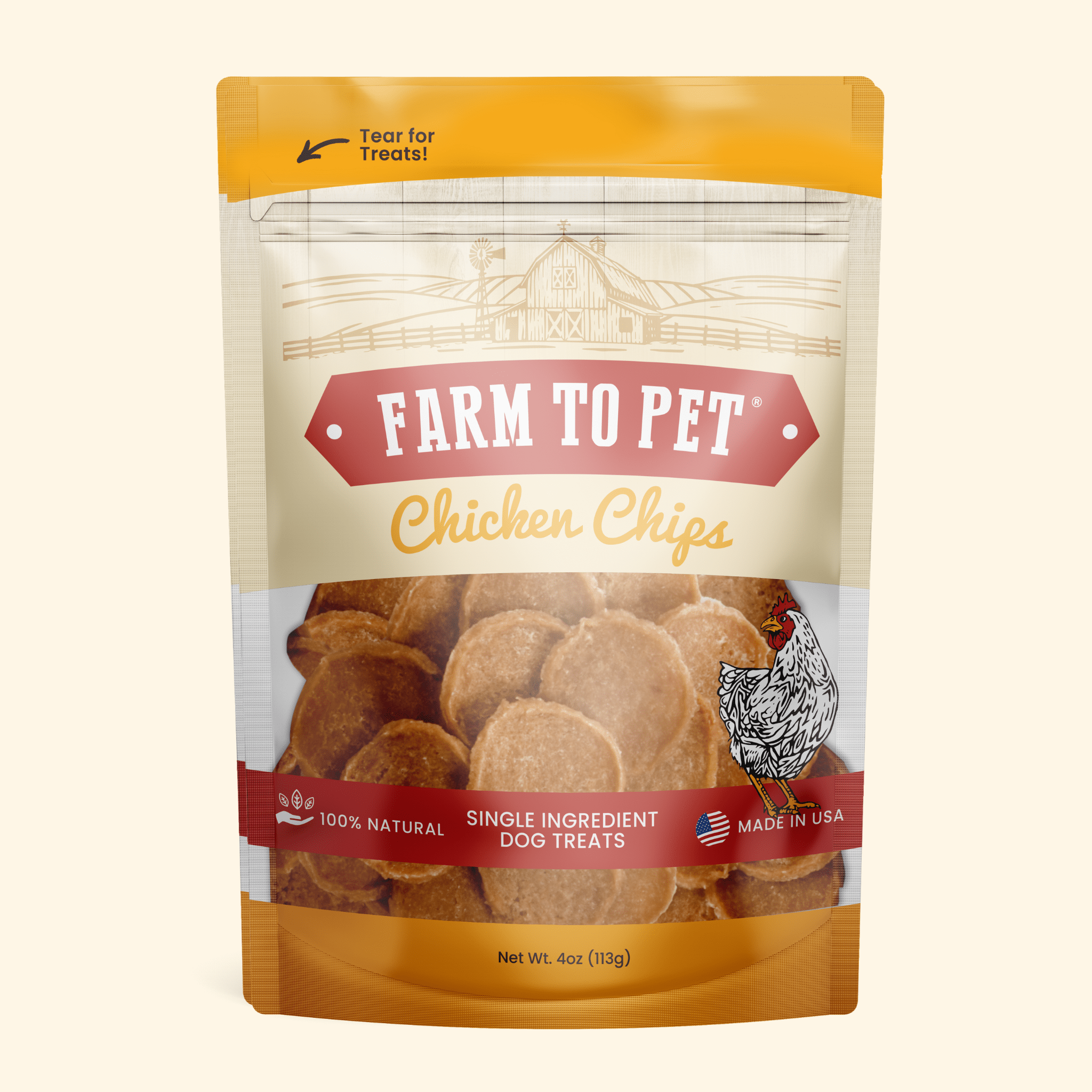
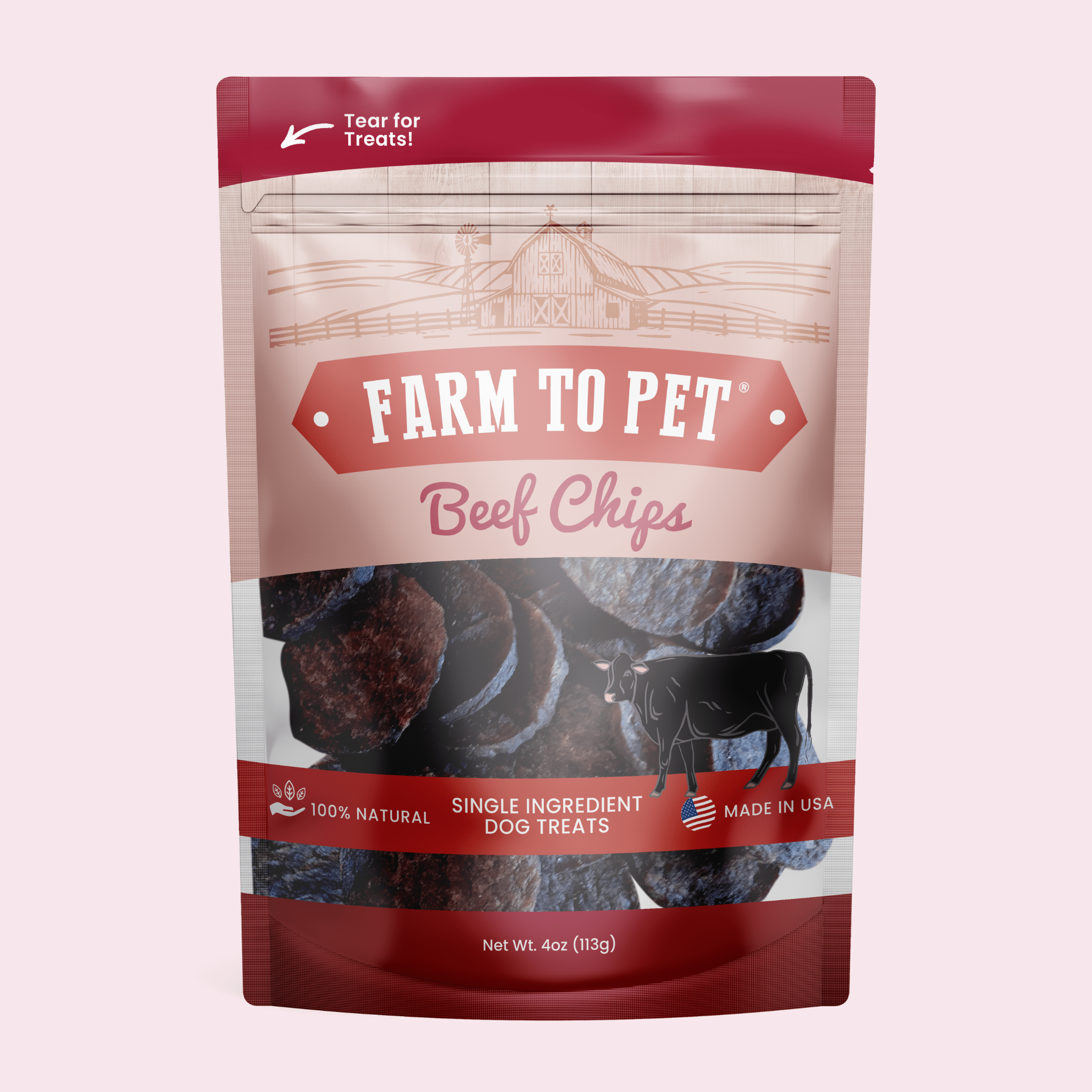
One of the easiest ways to do this is by choosing single-ingredient dog treats. Single-ingredient treats contain exactly what they sound like – one ingredient, usually a high-quality protein source. That means no fillers, artificial preservatives, or mystery ingredients hiding in the label.
There are several advantages to choosing simple treats like these:
For dogs with sensitive stomachs or skin issues, keeping dog treats simple can make a big difference. A single, gently dehydrated ingredient, like the proteins in our wholesome pet treats, provides a tasty reward without unnecessary extras.
Many pet parents assume their dog has a food allergy when symptoms appear, but true food allergies are actually less common than people think. Understanding the difference between a food allergy and a food sensitivity can help you make better choices for your dog.
A food allergy involves the immune system. When a dog eats something he’s allergic to, his immune system mistakenly treats that ingredient as a threat and triggers an allergic response.
Symptoms of food allergies in dogs often include:
Interestingly, food allergies are often linked to proteins dogs have eaten frequently over time, such as beef, chicken, dairy, or eggs. However, true allergies in dogs are much rarer than most people think, as they are often conflated with food sensitivity.
Food sensitivities (sometimes called intolerances) are different because they don’t involve the immune system. Instead, they occur when a dog’s digestive system simply has trouble processing a certain ingredient.
Common signs of a food sensitivity may include:
While sensitivities are typically less severe than allergies, they are also slightly more common and can still make your dog feel uncomfortable.
When dogs start itching or having stomach issues, food is often the first thing people blame. But in reality, things are not always so straightforward.
One of the most common misconceptions is that food causes most allergies in dogs. In fact, environmental allergens like pollen, dust mites, mold, and grasses are responsible for many itchy skin problems.
Another common belief is that grains are the main cause of allergies. While some dogs may be sensitive to grains, protein sources are actually more frequent triggers for true food allergies simply by virtue that they usually make up more of the canine diet.
It’s also common for pet parents to switch foods repeatedly when symptoms appear. While this approach is understandable, veterinarians often recommend a structured elimination diet instead. This carefully controlled process helps identify exactly which ingredient may be causing the reaction.
When your dog has a sensitive system, simpler is often better – which is exactly the philosophy behind Farm to Pet single-ingredient dog treats.
Farm to Pet focuses on clean, responsibly-sourced ingredients skipping unnecessary additives and keep ingredient lists refreshingly short. For dogs with allergies or sensitivities, that simplicity can make a big difference.
Here’s why many pet parents reach for Farm to Pet dog treats when managing dietary concerns.
When it comes to allergies and sensitivities, there’s a lot of information – and sometimes misinformation – floating around in the pet world.
So while hypoallergenic dogs refer may be less likely to trigger allergies in humans, hypoallergenic dog treats focus on minimizing potential reactions in dogs themselves. Treats made with simple, single ingredients can help reduce exposure to possible triggers, making it easier to manage a sensitive diet.
It’s also helpful to remember that many dogs experiencing itching or stomach issues may actually be dealing with environmental allergies or food sensitivities rather than true food allergies.
By choosing single-ingredient natural dog treats made with high-quality, minimally processed ingredients like ours at Farm to Pet, you can give your dog a reward he loves while keeping his diet simple and predictable.
After all, every dog deserves delicious treats. And for sensitive dogs or not, the simplest treats are often the best dog treats.


Spooky packaging, limited-time treats & fun accessories for pups who love a little howl-o-ween. Click below to explore the full collection.
Shop Halloween


